
How Was the Terracotta Army Found in 1974?
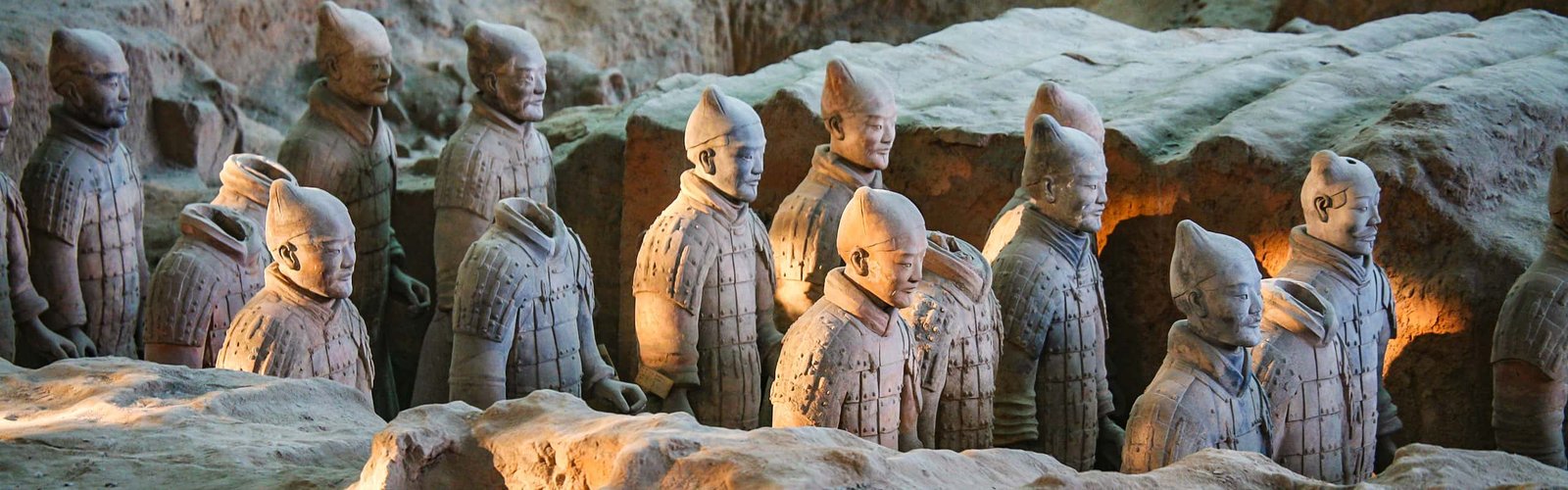
Farmers digging a well near Xiyang Village found pottery fragments in March 1974, starting the modern discovery of the Terracotta Army.
Museum staff and archaeologists then identified and excavated the larger site; visit Pit 1 to see the scale of what followed.
At a glance
- When: March 1974, during well digging near Xiyang Village.
- Next: local reporting, Lintong Museum attention and archaeological excavation.
- Visit: begin at the official Terracotta Army museum, not an informal well-site stop.
How did the discovery happen?
The first well digging exposed clay fragments near Xiyang Village in Lintong. Those pieces did not reveal the full army at once; further reporting and examination connected them to a larger burial complex.
Keep the roles distinct: local people noticed the finds, museum staff assessed them, and archaeologists mapped and excavated the pits. This sequence explains why the story cannot be reduced to one dramatic photograph.
Where can you follow the story today?
Go to the official Emperor Qinshihuang's Mausoleum Site Museum entrance for the Terracotta Army. The historic well area is not the same as the ticket gate or the main visitor route.
Start with Pit 1 and look for the excavated trenches and restored formations. Our warrior faces guide offers a closer-looking question for the same museum day.
What do the pits show?
Pit 1 makes the scale of the army clear. Rows of figures stand beside work areas and spaces where broken pieces were recovered or assembled.
Look at the soil edges and incomplete figures as well as the finished ranks. The difference helps connect a 1974 chance find with decades of excavation and restoration.
When should you visit, and how long?
Plan a half day at the museum, with travel from Xi'an added separately. Arrive early enough to follow the official entry and see more than one pit without rushing.
Museum tickets, identity rules and opening times can change, so check the current site channel for your date. Keep time for the exit and return transport, especially on busy holidays.
Which discovery myths should you avoid?
Do not assume the entire army was visible to the well diggers in March 1974. The pits became understandable through later excavation and study.
Do not treat a sales stop or an unmarked village path as part of museum admission. Use signed visitor routes and read the museum's chronology before repeating a single-person “finder” story.
FAQ: What else should you know?
Who found the Terracotta Army?
Local well diggers found pottery fragments in 1974. Museum staff and archaeologists then recognized and excavated the site.
Can I visit the original well?
Do not assume it is on the public museum route. The official pits and exhibits are the reliable visitor focus.
Which pit should I see first?
Pit 1 gives the clearest sense of scale. Add other open pits after you understand the main layout.
Plan this route with Vipbest: Explore the related itineraries.