
Beijing Traditional Crafts: What to Buy and Check
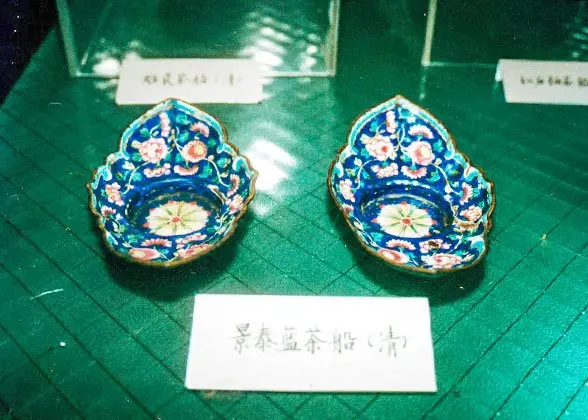
Cloisonné, paper cuts and lacquerware give you three distinct Beijing craft traditions to explore. Buy the item that fits your budget and luggage, and ask what the maker actually did.
- Examples: cloisonné enamel, paper cuts and lacquerware.
- Browsing areas: Qianmen shops or Panjiayuan stalls.
- Ask about the base material, technique and maker.
- For enamel or lacquer, inspect the finish and packing.
Where Can You Start?
Qianmen shops fit a central walk and often have fixed prices. Panjiayuan gives you more stalls to compare prints, ceramics and contemporary craft pieces.
Choose one area for a short trip. A workshop visit is a separate booking and may differ from a retail showroom. Our Beijing shopping guide covers both areas.
How Do the Crafts Differ?
Cloisonné builds enamel color within metal wires or cells on a metal body. Paper cuts use cut designs in thin paper. Lacquerware builds a coated surface over a base material.
A printed pattern that resembles a paper cut is still a different product. Ask whether the piece is handmade, partly finished by hand or mass produced.
What Should You Inspect?
For enamel, look for chips, sharp edges and an even finish. For a paper cut, check whether it is mounted and protected from bending. For lacquer, ask what the base material is.
Compare at least two examples of the same type. A maker card, material label and receipt help you remember which piece you chose. See our souvenir guide for packing food and small gifts.
When Should You Choose a Small Piece?
A small modern piece is easier to carry than a large vase or framed panel. Ask for a rigid box and padding before paying, especially if you will use trains after Beijing.
Paper and textiles suit a lighter bag, while enamel and lacquer need protection from knocks. Take a photo of the packed item and receipt for your own records.
Which Claims Should You Question?
“Old,” “master-made” and “local” describe different things. Ask the seller to name the maker, material and place of production for the exact item.
Avoid a supposed antique with unclear export status. You can enjoy a demonstration without buying. Do not photograph a maker at work without asking first.
FAQ: What Else Should You Know?
Is every cloisonné piece handmade? No. Production methods and finishing can vary. Ask about the exact piece rather than the craft name.
Is a paper cut easy to carry? Usually, if mounted or kept flat. Ask for rigid packing to prevent folds.
Can I export an antique craft? Rules depend on the object. Choose a clearly modern piece if the age or paperwork is unclear.