Fully customized, flexible schedule, private guide & driver · We Guarantee 100% No Shopping Stops!
TOUR OVERVIEW
A route that works on the ground
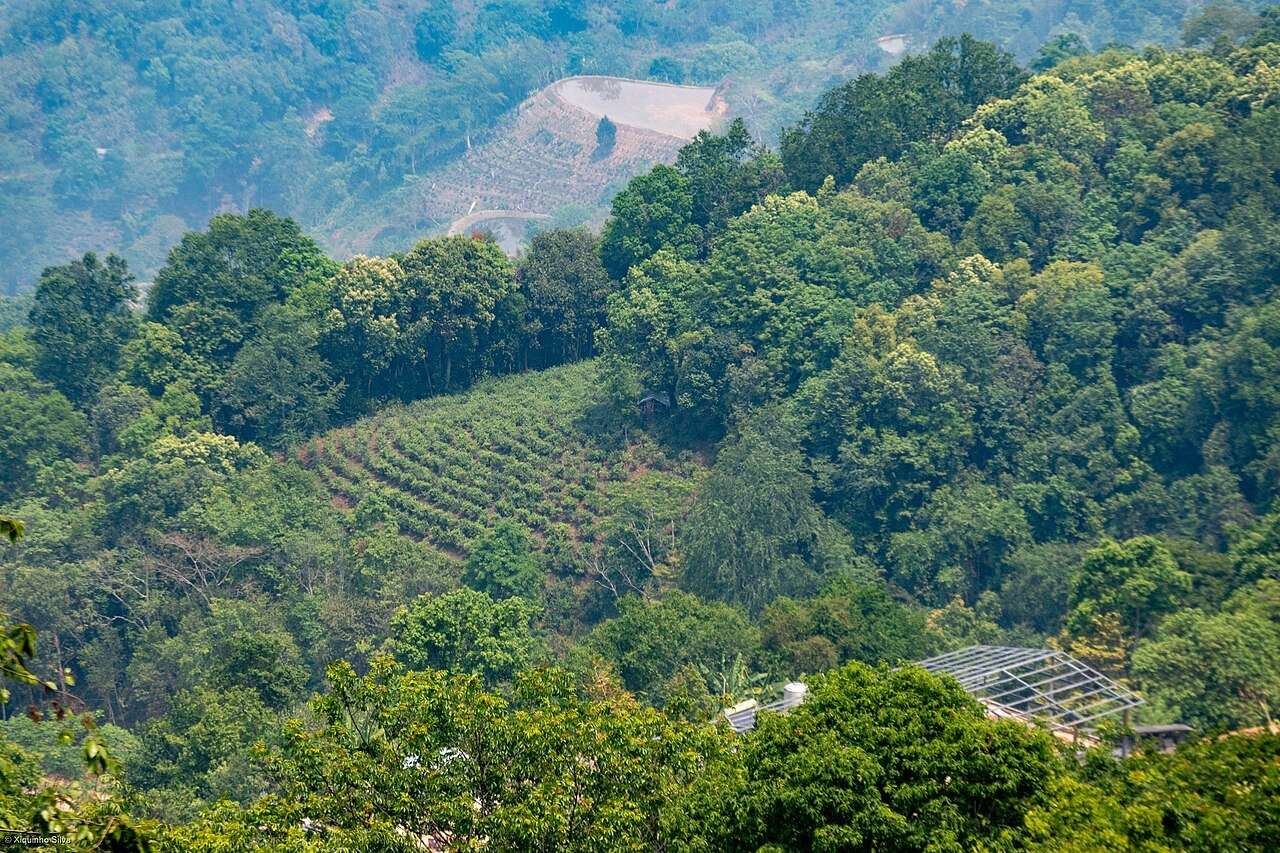
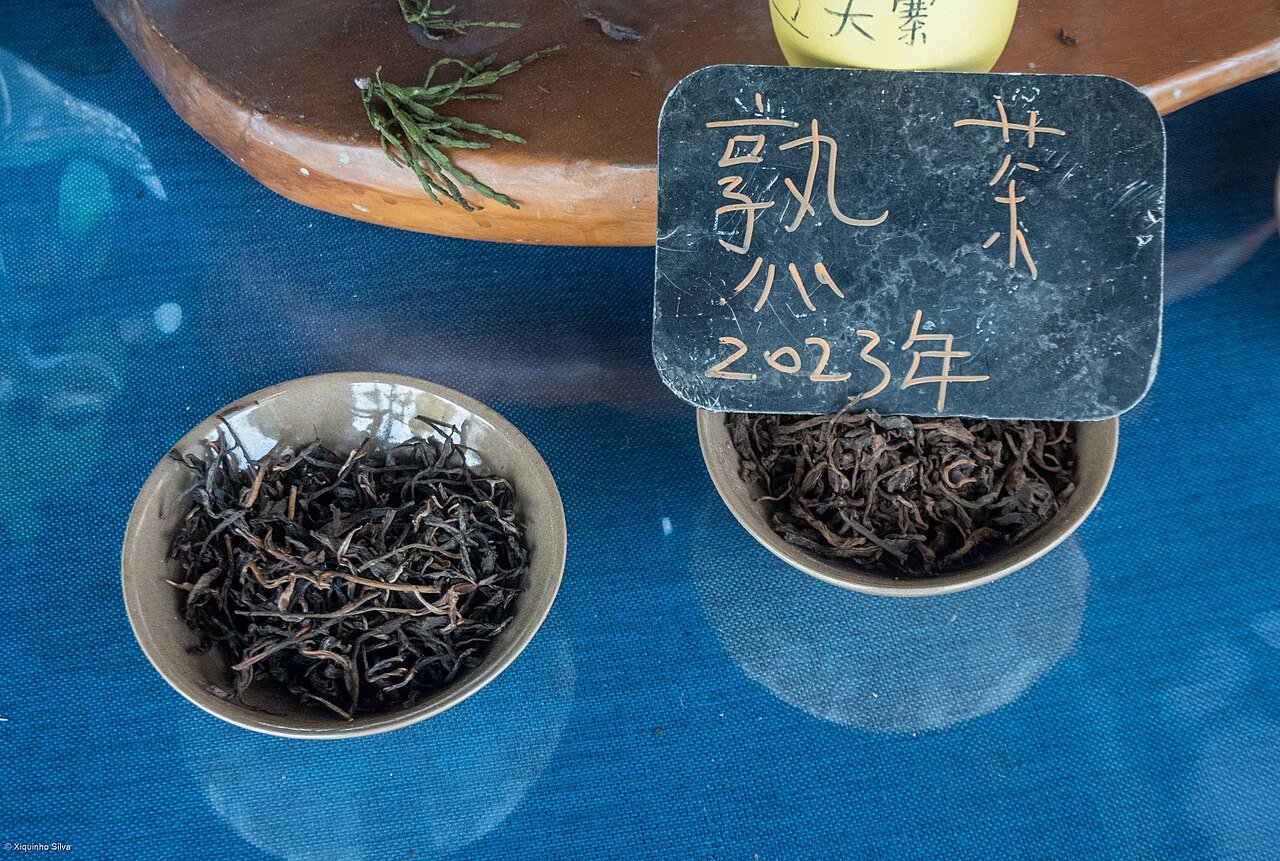
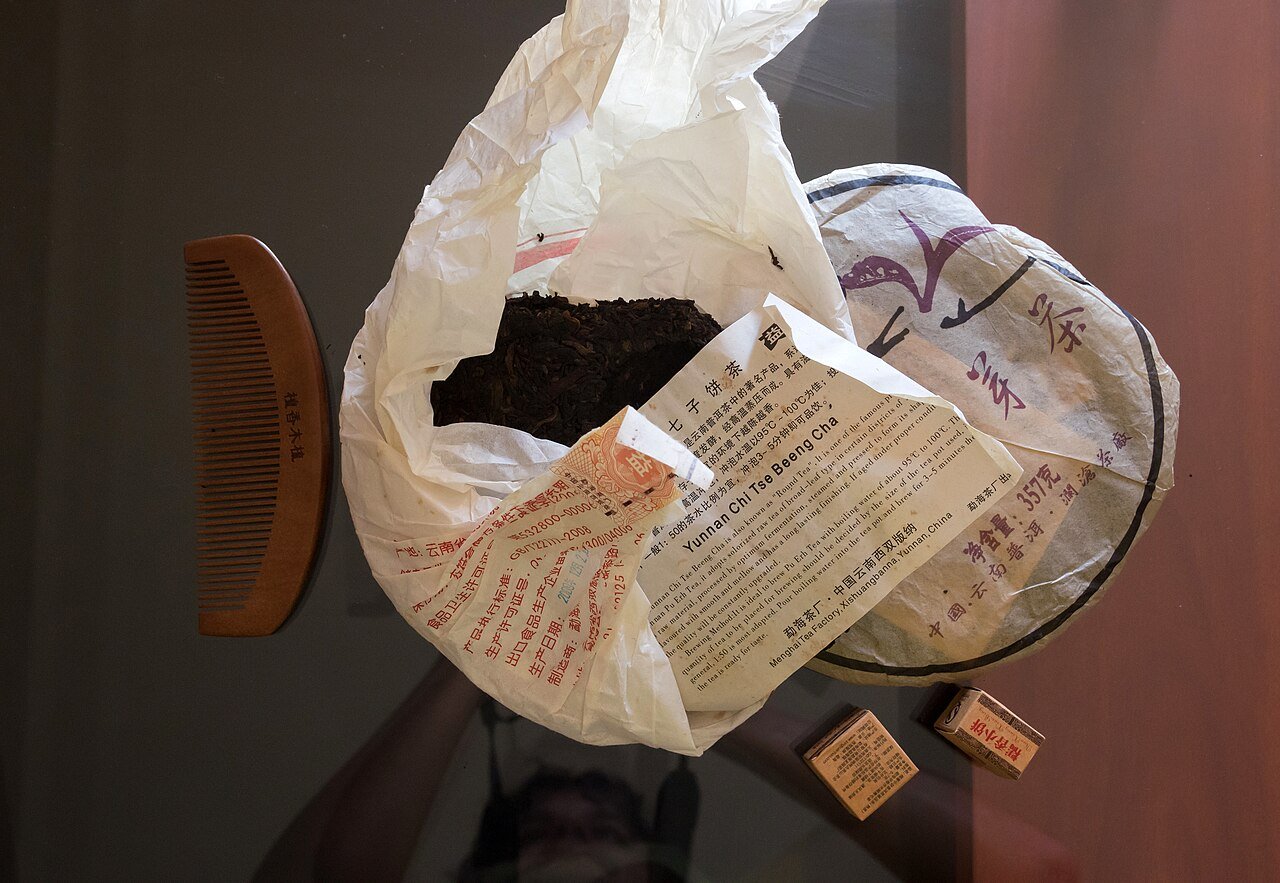
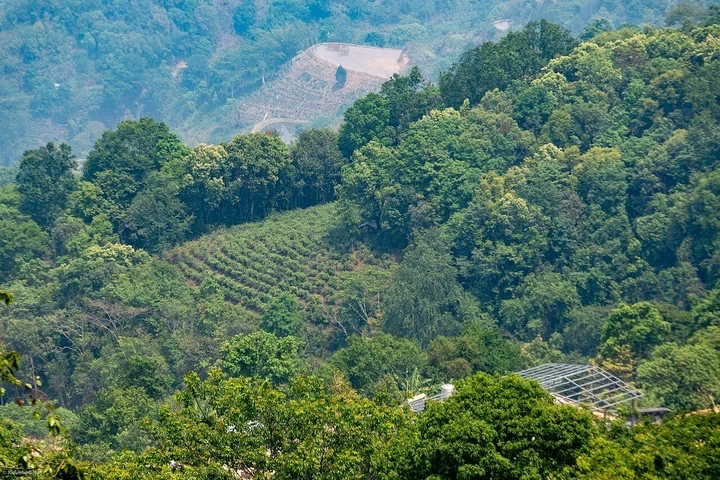
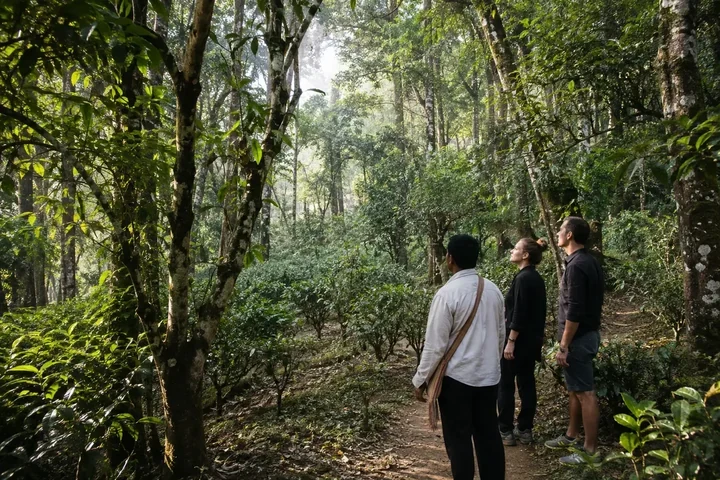
Over 5 days, 5-Day Pu’er & Jingmai Tea Culture Tour links Pu’er Tea Country with Mangjing Tea Culture, taking in Arrival on Jingmai Mountain, Old Tea Forest Walk, Wengji Blang Village along the way. Explore Pu’er city or a nearby tea garden before continuing toward Jingmai Mountain. Jingmai’s old tea forest sits around 1,300–1,700 metres; a 2–4 kilometre shaded walk passes ancient tea trees, spirit pillars and Blang or Dai homes rather than a landscaped plantation. Meet local producers for a guided tasting and a practical introduction to processing and seasonal work. Taste tea beside the hearth, compare hand-rolled and sun-dried leaves, and leave time for a simple rice-and-herb meal prepared by the village host. The route is best suited to curious travelers who want local context alongside the main sights, with the daily emphasis on tea landscapes, village life and small-scale cultural encounters. Opening hours, traffic and local access are checked during the trip, allowing the guide to reorder visits when needed.
Start
Pu’er
Finish
Jingmai Mountain
Travel rhythm
Balanced sightseeing with time to slow down
Best time
The drier months from late autumn through spring are comfortable for forest walking; mist and rain create a different green-season atmosphere.
Trip Highlights Code: YN-JIN07
Explore Pu’er city or a nearby tea garden before continuing toward Jingmai Mountain.
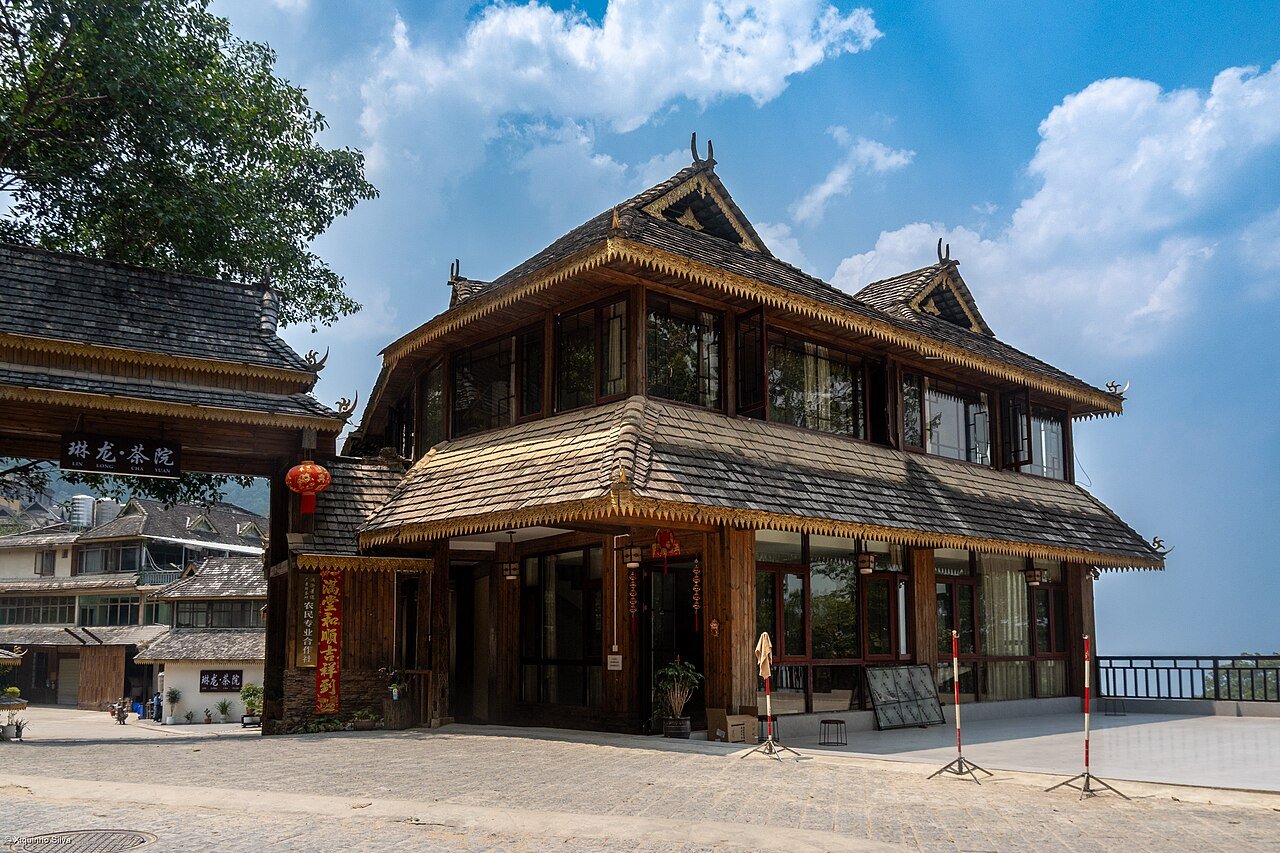
Travel from Pu’er or Jinghong, settle into a village guesthouse and take a gentle orientation walk.
Walk beneath the forest canopy with a local guide and learn how tea trees, villages and protective forests connect.
Follow Pu’er - Jingmai Mountain in a practical order, with private transfers and no forced shopping stops.
Book with Confidence: Free inquiry, only 10% deposit to confirm, full refund for cancellations up to 15 days prior.
DAY BY DAY
The 5-Day Journey
Daily itinerary: Pu’er Tea Country → Arrival on Jingmai Mountain → Old Tea Forest Walk → Wengji Blang Village → Mangjing Tea Culture.
INTERACTIVE ROUTE MAP
5-Day Pu’er & Jingmai Tea Culture Tour
Drag to explore, use + / − to zoom, and select a numbered stop for details.
Explore Pu’er city or a nearby tea garden before continuing toward Jingmai Mountain. Within Pu’er & Jingmai Tea Culture, the next named stop after Pu’er Tea Country is Arrival on Jingmai Mountain. Later in Pu’er & Jingmai Tea Culture, Old Tea Forest Walk brings a different activity: Walk beneath the forest canopy with a local guide and learn how tea trees, villages and protective forests connect.
Travel from Pu’er or Jinghong, settle into a village guesthouse and take a gentle orientation walk. Arrival on Jingmai Mountain sits between Pu’er Tea Country and Old Tea Forest Walk in the Pu’er & Jingmai Tea Culture sequence. Later in Pu’er & Jingmai Tea Culture, Mangjing Tea Culture brings a different activity: Meet local producers for a guided tasting and a practical introduction to processing and seasonal work.
Walk beneath the forest canopy with a local guide and learn how tea trees, villages and protective forests connect. In Pu’er & Jingmai Tea Culture, Old Tea Forest Walk comes before Wengji Blang Village; the separate Mangjing Tea Culture visit adds a second point of reference. Later in Pu’er & Jingmai Tea Culture, Mangjing Tea Culture brings a different activity: Meet local producers for a guided tasting and a practical introduction to processing and seasonal work.
Explore traditional architecture and tea culture in Wengji with community-level interpretation. Pu’er & Jingmai Tea Culture develops its tea culture theme further at Mangjing Tea Culture, after this Wengji Blang Village visit. Later in Pu’er & Jingmai Tea Culture, Mangjing Tea Culture brings a different activity: Meet local producers for a guided tasting and a practical introduction to processing and seasonal work.
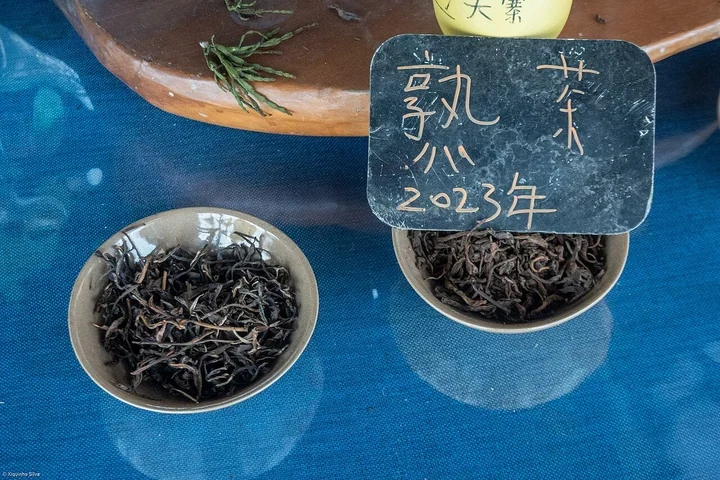
Meet local producers for a guided tasting and a practical introduction to processing and seasonal work. Earlier in Pu’er & Jingmai Tea Culture, Wengji Blang Village formed a separate part of the journey before Mangjing Tea Culture. Earlier on Pu’er & Jingmai Tea Culture, the Wengji Blang Village stop has its own activity: Explore traditional architecture and tea culture in Wengji with community-level interpretation.
Planning note for this route
Two nights on the mountain allows villages, tea forest and changing light; add Pu’er or Xishuangbanna for a five-to-seven-day tea route. Final train or flight times should be confirmed before fixing the last day; when timings change, sightseeing is shortened instead of adding an unrealistic transfer.
2–3 US$1,130 / person4–5 US$1,010 / person6+ Contact Us
✓ Free inquiry✓ 10% deposit✓ Full refund up to 15 days prior
Typical Overnight Bases
Only places used by this itinerary are shown below. The final hotel list follows confirmed transport, season and room availability; upgrades and room preferences can be customized.
Pu’er Selected city hotelJingmai Mountain Character village guesthouseJinghong Selected 4-star city hotel
✓ Price Includes
Domestic airfares and train fares listed in the itinerary
Private air-conditioned vehicle with licensed driver
Professional English-speaking local guide
Selected hotel accommodation with breakfast
Entrance fees for listed sights
⊘ Price Excludes
International airfares
China visa fee if applicable
Personal expenses and gratuities
Meals not specifically listed in the itinerary
Questions about this itinerary
Where does this tour start and finish?
The planned route starts around Pu’er and finishes around Jingmai Mountain. Exact airport, railway-station or hotel transfers are matched to your confirmed arrival and onward tickets.
Can the itinerary be changed?
Yes. The published day order is a workable starting point, not a fixed group schedule. We can change hotel level, walking time, special interests and selected stops while protecting the route logic.
How are weather or road changes handled?
Your local team checks current access before travel. Outdoor sections may move within the itinerary, and mountain or canyon routes can be shortened or replaced when conditions make the original plan unsafe.