
Shanghai Bilingual Menu: What the Dish Names Mean
A Shanghai bilingual menu helps you find dishes, but its English name may omit broth, bones or cooking wine. Read the Chinese dish name and ask how the kitchen prepares that exact plate.
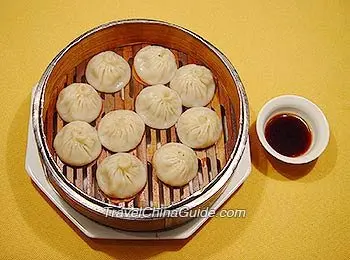
- 小笼包 / xiaolongbao: small steamed buns with hot soup inside.
- 生煎包 / shengjianbao: pan-fried buns with a crisp base.
- 红烧 / hongshao: a red-braising method, not one fixed ingredient.
How Do You Read a Dish Name?
Look for the main ingredient and cooking method in the Chinese name. 蒸 / zheng means steamed; 红烧 / hongshao points to a savory braise. The English phrase can be shorter than the actual dish.
Ask whether the listed price is per plate, piece, weight or set. The Shanghai food streets guide helps choose a dining area after you know what you want.
Which Shanghai Dishes Are Easy to Mix Up?
Xiaolongbao are steamed and contain hot liquid, so lift one carefully and let it cool. Shengjianbao have a fried bottom and can also hold hot juice. Their wrappers and textures differ.
Cong you ban mian are noodles mixed with scallion oil. A red-braised meat dish may be richer and sweeter than a simple stir-fry. Check the protein in either dish before ordering.
What Should You Ask About Ingredients?
Ask about pork stock, shellfish, wheat, sesame and cooking wine where these matter to your diet. A vegetable-sounding English name can still use meat stock. A sauce may contain ingredients absent from the short translation.
For fish, ask whether bones remain. For a market-price item, request the unit and total first. The seafood price guide explains weight-based orders.
How Much Should You Order?
Start with one bun dish, one vegetable and one shared main for a small table, then add food if needed. Check the pieces per basket and whether rice comes separately.
Ask for less chili only when the dish can be adjusted before cooking. A translated “mild” note does not answer every seasoning question. Keep the final bill aligned with the menu’s unit.
What Menu Mistakes Should You Avoid?
Do not treat “dumpling” as one dish. Steamed soup buns, pan-fried buns and boiled dumplings need different eating care. Hot soup can spill when a bun is bitten immediately.
Do not assume a bilingual menu is an allergy statement. Repeat critical ingredients in plain words and show the Chinese name. If the kitchen cannot answer, choose a simpler dish.
FAQ: What Should You Know?
Are xiaolongbao and shengjianbao the same? No. One is steamed and the other is pan-fried. Both may contain hot liquid.
Does hongshao always mean pork? No. It describes a braising style. Read the full dish name to identify the ingredient.
Is the English menu enough for allergies? Usually not. Ask about stock, sauce and cooking wine in the actual dish.