
Qin Shi Huang’s Underground Palace: Can You Enter?
No visitor can enter Qin Shi Huang’s underground burial chamber: the central tomb beneath the Lintong mound has not been excavated. Nearby pits and museum displays help explain the mausoleum, but they do not reveal the chamber’s interior.
- Location: Lintong District, Xi’an.
- Central chamber: unopened and not public.
- Related sites: Terracotta Army pits outside the burial mound.
Where Is the Chamber?
The central burial lies beneath the large mausoleum mound in Lintong, east of central Xi’an. The Terracotta Army pits form part of the wider complex, but they are away from the central chamber.
Follow the public mausoleum route or a museum site plan. The Terracotta site guide separates the excavated pits from the mound.
What Can Visitors Book and See?
You can book admission for the public mausoleum and museum areas offered on your date. There is no ticket into the original underground chamber. A model, film or commercial reconstruction is not the opened tomb.
Allow travel time between the public sites in Lintong. Check the current ticket product and transport stops before assuming all displays share one entrance.
What Do Texts and Excavations Tell Us?
The Shiji describes an elaborate tomb, including mercury rivers. Archaeologists have excavated surrounding pits and studied the mound, while the central chamber remains closed.
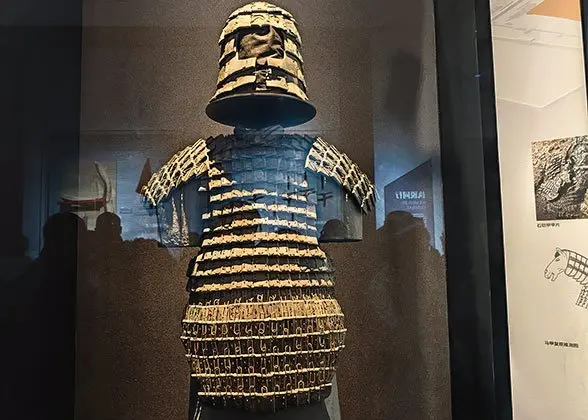
Objects from satellite pits reveal work around the emperor’s burial. They cannot show the exact ceiling or every room inside. The unexcavated tomb guide explains the preservation challenge.
When and How Long Should You Plan?
Use a half or full Lintong day for the public sites, depending on your transport and pace. Leave time for the main Terracotta Army halls before adding the mausoleum mound.
Outdoor ground can be hot, wet or windy. If weather limits the mound visit, a museum site plan still shows how the excavated pits relate to the central burial.
Which Claims Should You Question?
Do not expect to walk among mercury rivers or hidden traps. These are often pictured in modern displays, while the original chamber remains unopened.
Do not call a Terracotta Army pit the underground palace. The pits and the central burial have different locations and purposes.
FAQ: What Should You Know?
Has the central tomb been opened? No. The central chamber beneath the mound remains unopened. Visitors see public areas around the mausoleum.
Are the Terracotta Warriors inside the chamber? No. Their excavated pits are outside the central burial. They belong to the wider mausoleum complex.
Are mercury rivers visible? No. Ancient writing describes them, but no visitor sees the central chamber. Models are modern representations.