
Leshan Weather by Season: Buddha and Emei Plans
For the Leshan Giant Buddha, spring and autumn often offer easier walking than humid summer or cool, damp winter days. Mount Emei needs a separate clothing check because its upper areas are much higher than Leshan city.
- Main city route: the Giant Buddha stair circuit beside three rivers.
- Spring and autumn: carry a light rain layer and shoes with grip.
- Summer: plan for heat, humidity and downpours.
- Winter and Emei: add warm layers; upper paths may be icy.
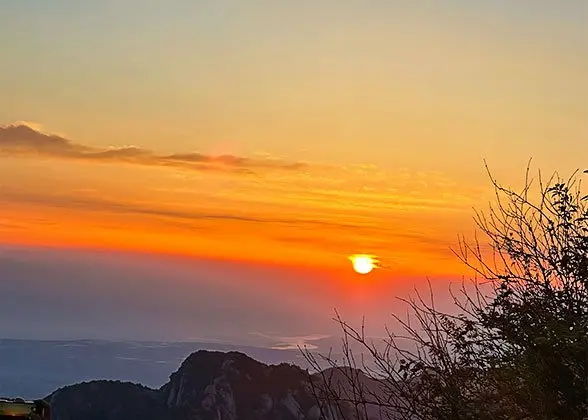
Which Season Fits Your Trip?
Spring brings greenery and showers around the river. Autumn can give more comfortable stair walking, although early October holiday demand changes the crowd picture. Our October packing guide covers that timing.
Summer is warmer and wetter. Winter is cooler and can feel damp along the rivers. Pick the season for the activity you want, then keep a flexible day for the Buddha.
How Does Weather Affect the Buddha?
The cliff route includes steps, queues and exposed viewpoints. After rain, take smaller steps and allow more time for the descent. In summer, water and an early start matter more than a heavy day bag.
A river-view boat can provide a different angle when it operates, but river conditions affect service. The boat and the walking route are separate choices; neither guarantees a clear photograph in mist.
What Changes on Mount Emei?
Emei is a mountain trip with several elevations, not simply another Leshan neighborhood. A mild day at the Buddha can become cold, windy or cloudy higher up. Check the upper-route weather before packing.
Bring an extra layer and footwear suited to the route you choose. In winter, ice can alter walking access; in summer, rain can affect paths and visibility. Plan transport and admission as a separate day.
What Should You Pack Each Season?
Use grippy shoes year-round. Add a light rain shell in spring and autumn, water and sun cover in summer, and a warm layer in winter. Put electronics in a dry pouch on wet days.
Pack for your highest stop, not only your hotel forecast. A small spare layer is useful on the train back to Chengdu after a hot or rainy visit. The Leshan guide helps choose the city route.
Which Planning Errors Are Common?
Do not judge the Buddha stairs by the short map distance alone. Queues and a wet descent can make the circuit take longer than expected, especially for a group with children.
Do not squeeze the Buddha and Emei summit into a tight transfer day. Give the mountain its own weather decision and keep enough time to reach the station or hotel.
FAQ: What Should You Know?
When is walking at the Giant Buddha most comfortable? Spring and autumn often feel easier than hot summer days. Rain can occur in any season, so wear shoes with grip.
Is Mount Emei weather the same as Leshan city? No. Emei’s higher areas can be much cooler and cloudier. Pack for the highest part of your route.
Does rain always stop a visit? Light rain may still allow a walk. Heavy rain or unsafe steps can change access, while river boats depend on operating conditions.