Which images help you choose a destination?
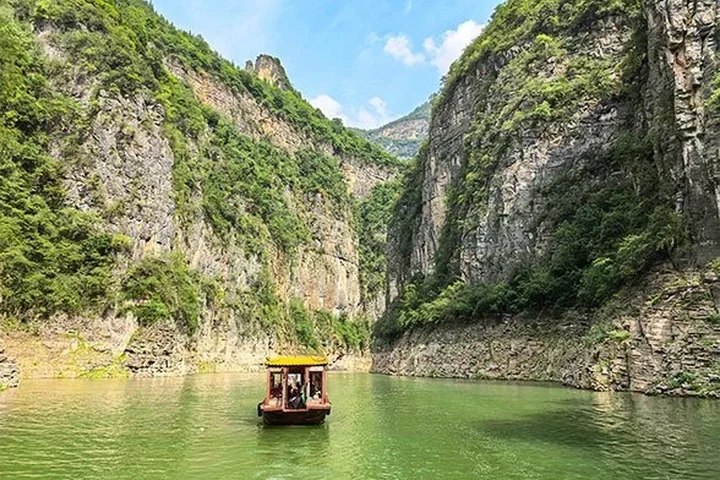
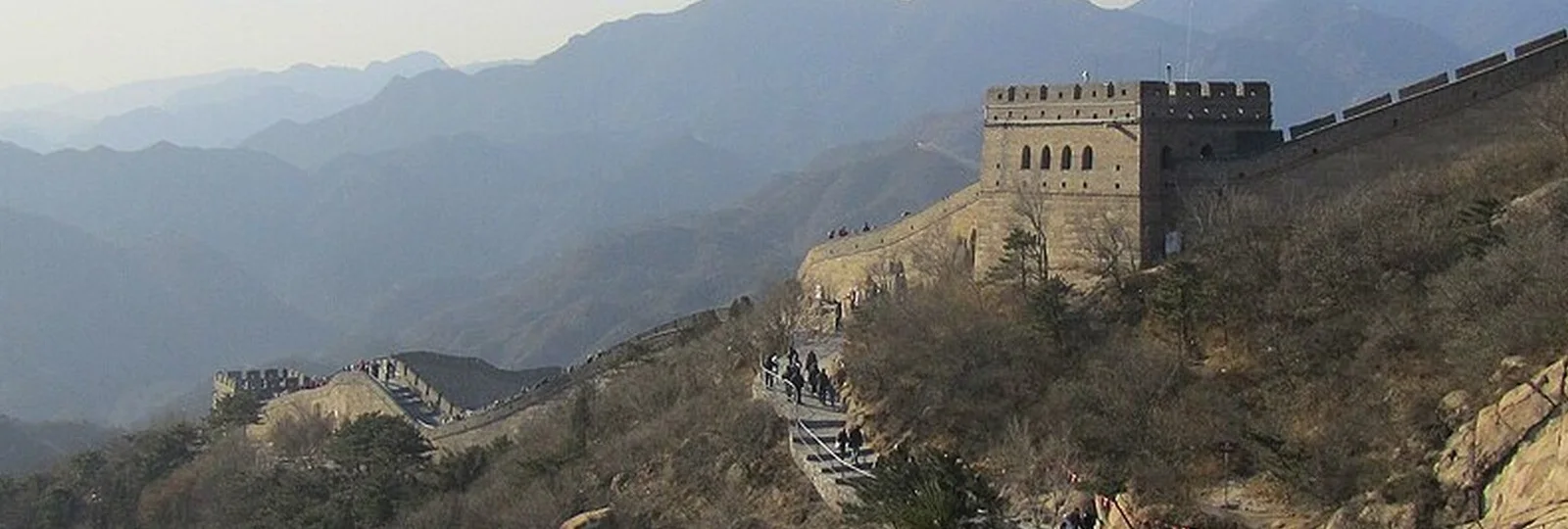
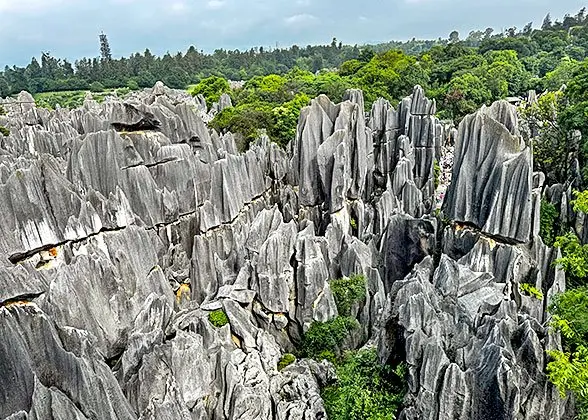
Compare urban layers in Chongqing with Kunming’s parks and the Li River’s limestone peaks. Decide which setting deserves a full travel day.
Look for a wide scene and a ground-level scene from the same place. Together they show the landscape and how visitors actually move through it.
How should you read a photo caption?
Look for the named place, season and viewpoint. A photo labeled only “China” cannot guide a route.
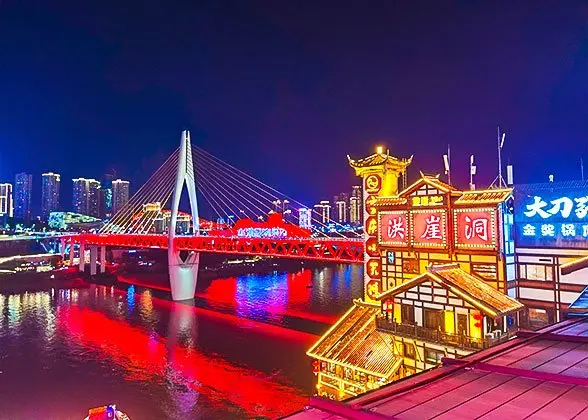
Use captions to separate Green Lake from Dianchi, and a public Hongyadong view from a private rooftop angle. The difference affects your actual visit.
Can video help with walking plans?
A continuous street clip can reveal stairs and station exits that a still image misses. Watch the approach to a site, not just a few seconds at the landmark.
For Chongqing, check which level the camera entered. For the Li River, ask whether the clip shows the boat or Yangshuo after arrival.
When should you plan for the scene?
Use daylight for Liziba’s train and Kunming’s park paths. Keep a separate evening for Chongqing’s riverfront lights.
Weather changes both distance views and river conditions. Plan a place you still want to visit if the photographed light does not appear.
Which visual shortcuts mislead travelers?
Do not infer that a viewpoint is public from a dramatic image. Check the legal visitor area before planning a stop.
Do not combine three distant scenes into one day because a gallery displays them together. Put each image on a map with transport between them.